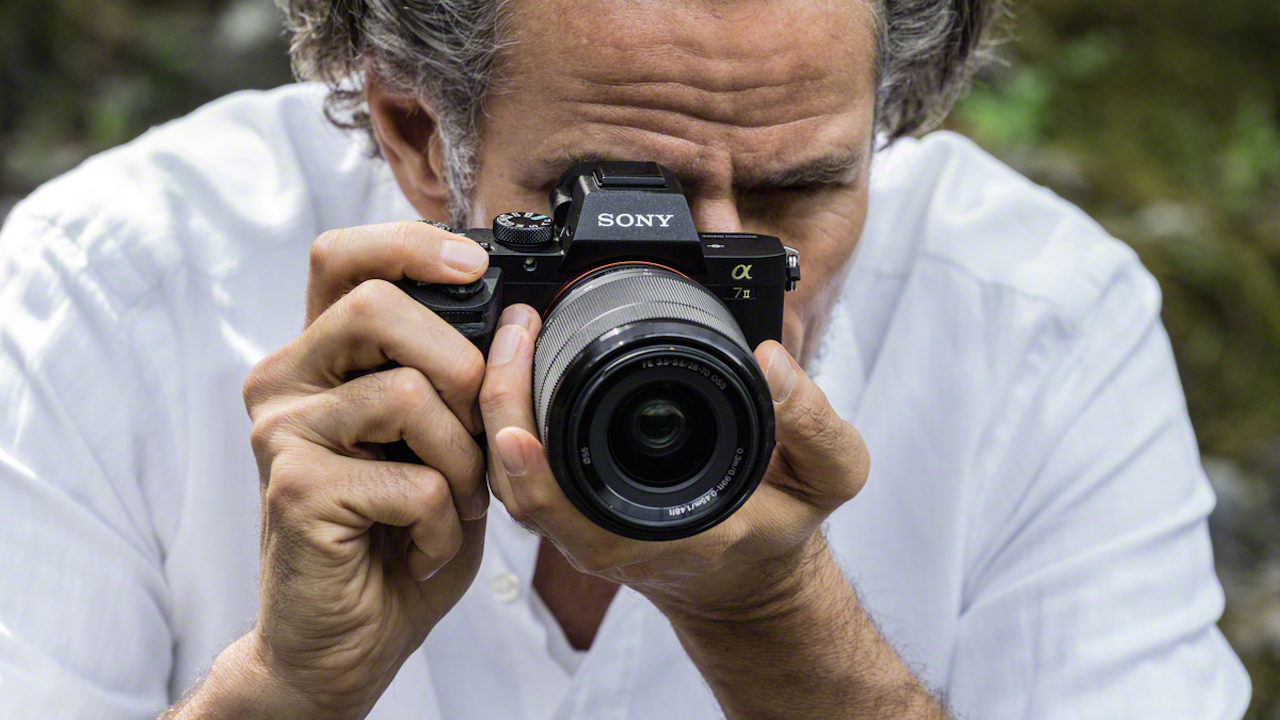
The Sony rumour mill has been churning furiously over the past 24 hours with speculation about the arrival of yet another full-frame Alpha camera. It turns out that these rumours were substantiated: this morning, the Sony A7 II was announced in Japan. It will be the successor to the Sony A7, the first full-frame MILC that was released just over a year ago. There are a lot of interesting upgrades, with the most noticeable being the implementation of the 5-axis stabilisation system, a technology that has long been the top feature on Olympus Micro Four Thirds cameras.
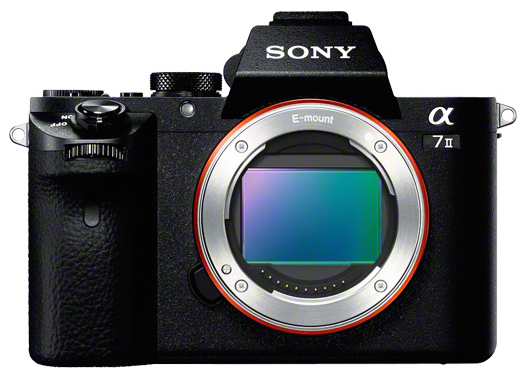
How does the Sony A7ii differ from its predecessor the A7?
Let’s make a list of the most important features:
- 5-axis stabilisation
- 30% faster AF system with new algorithm for tracking
- Magnesium alloy body and more robust lens mount
- XAVC-S codec, S-log2 gamma and picture profiles for video (like the A7s)
- Area specific noise reduction
- Design upgrade of the grip, the shutter button placement and some dials
- More button customisation
The implementation of 5-axis stabilisation technology is without a doubt the biggest point of interest on the A7 mark II for many reasons.
First, it allows you to stabilise any lens, be they Sony lenses with or without optical stabilisation (Steadyshot) technology or third party lenses mounted via an adapter. The Sony A7 line was also successful because of the possibility to mount almost any full frame/35mm lens and the 5-axis technology makes this extreme versatility even more concrete.
Second, the A7 series has good video capabilities. The A7 mark II includes many of the features and settings seen on the A7s which makes it a more capable and professional camera for video shooting. The 5-axis stabilisation in this case becomes the cherry on top. The stabilisation on Olympus OM-D cameras work well for video but they lack a good video codec and many functionalities. This is why the A7ii could be a great win for Sony–they’ve combined stabilisation that will work with any lens with professional video capabilities.
Last but not least, it is likely that we will see the 5-axis stabilisation on future A7 upgrades and the rumoured flagship A9.
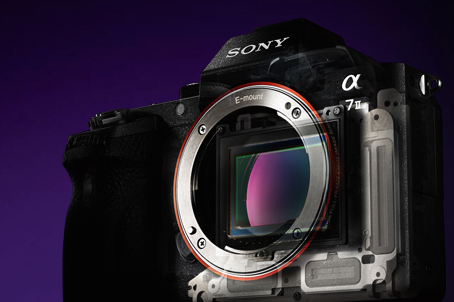
The 5-axis technology works like the in-body stabilisation of the OM-D cameras. The sensor “floats” inside the body and can compensate movements on the X and Y axis, as well as yawn, pitch and roll movements. Sony claims that it works up to 4.5 stops of correction. In my experience with the OM-D cameras, I managed to get sharp shots down to 1.5s of exposure hand-held. The official video below explains how the 5-axis technology works.
As already mentioned, the A7 mark II inherites many video functions introduced on the Sony A7s: a better video codec (XAVC-S) that allows you to record in Full HD up to 60p at 50mbps. There is no mention however of slow motion capabilities (120fps in 720p) like the “s” version. In addition to the basic creative style profiles, there are also pictures profiles with dedicated cinema gammas and curves. The S-Log2 gamma to record the vastest dynamic range possible is also included. There are also time code/user bit functionalities and a clean HDMI output in 4:2:2 at 8 bit in Full HD (no 4k).
The image sensor is the same 24 megapixel sensor found on the Sony A7 so there shouldn’t be any relevant differences concerning image quality. There are a few new functionalities such as area specific noise reduction. The processor divides the image into areas based on patterns (such as edges, textures and flat areas like blue skies), then applies the most appropriate noise reduction for each of these area.
The autofocus system is an updated version of the one found on the A7. It is a hybrid system with 25 contrast and 117 phase detection points (same as the A7) with an updated algorithm that should increase the AF performance by 30%, most notably for tracking. The continuous shooting capabilities remain the same (5fps).
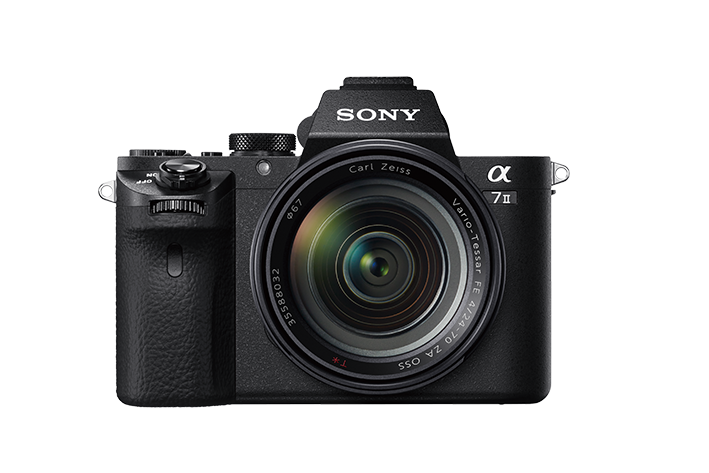
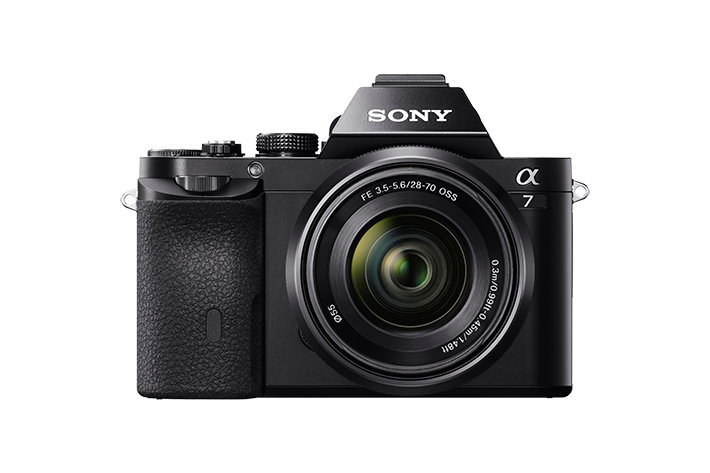
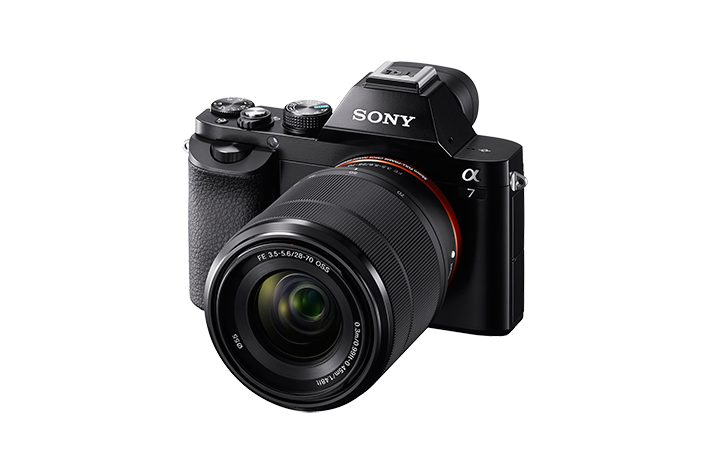
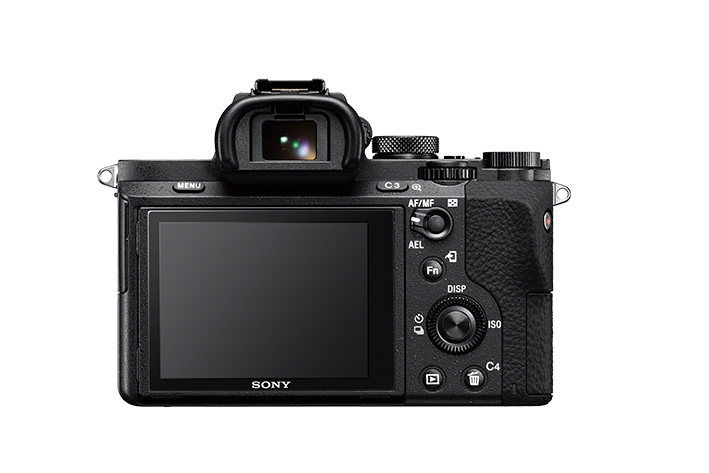
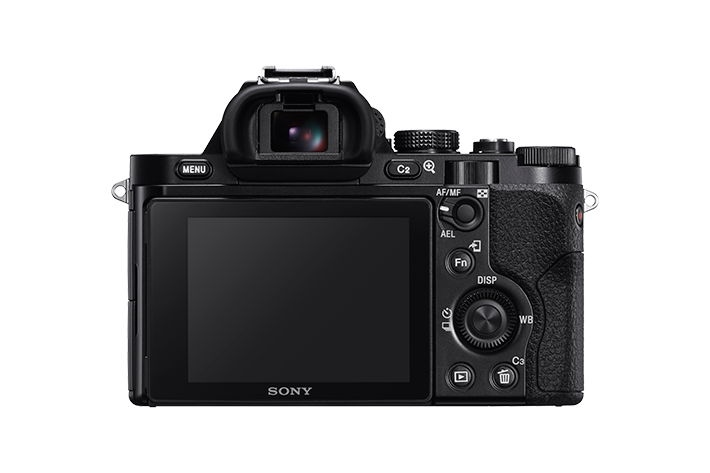
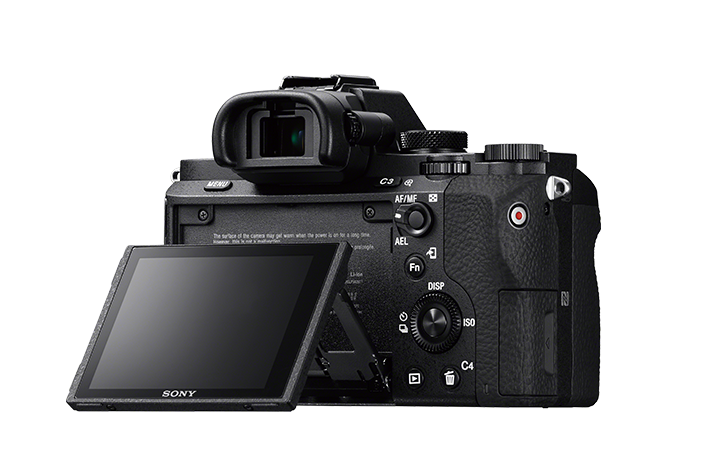
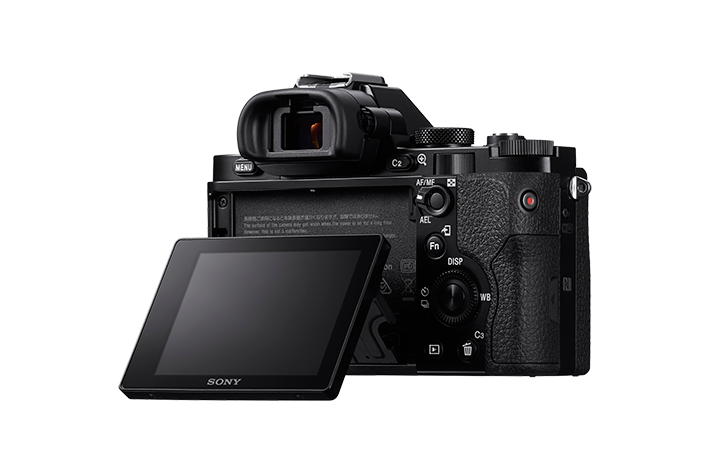
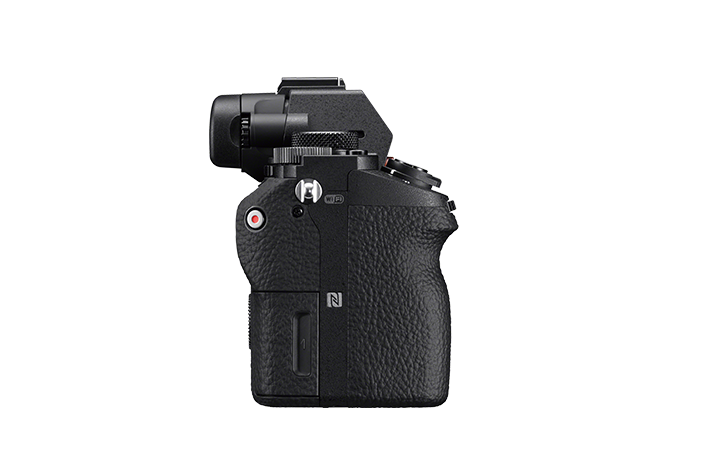
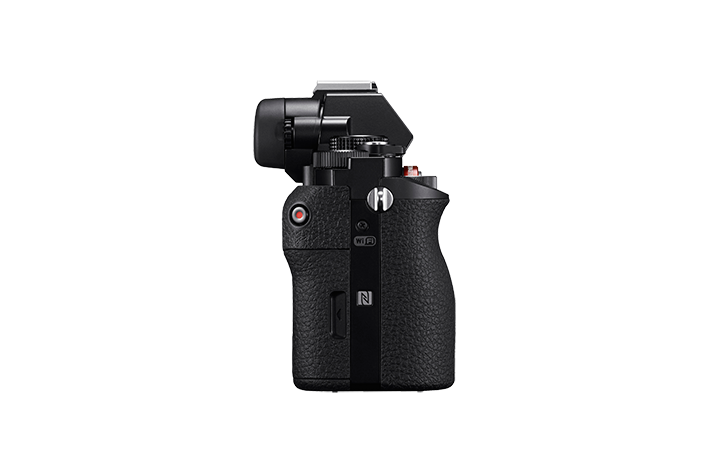
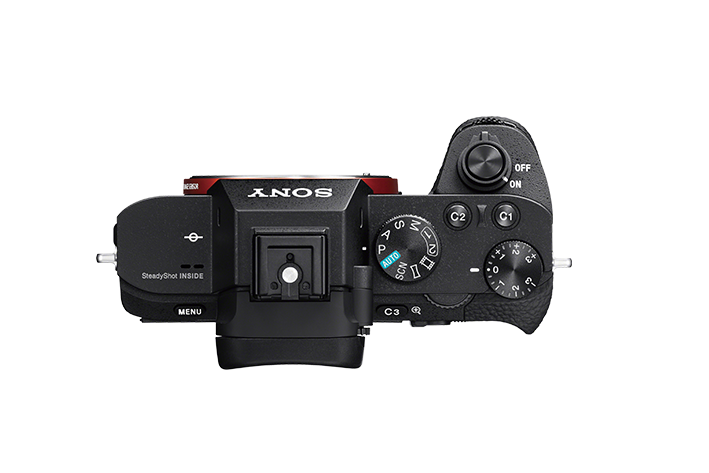
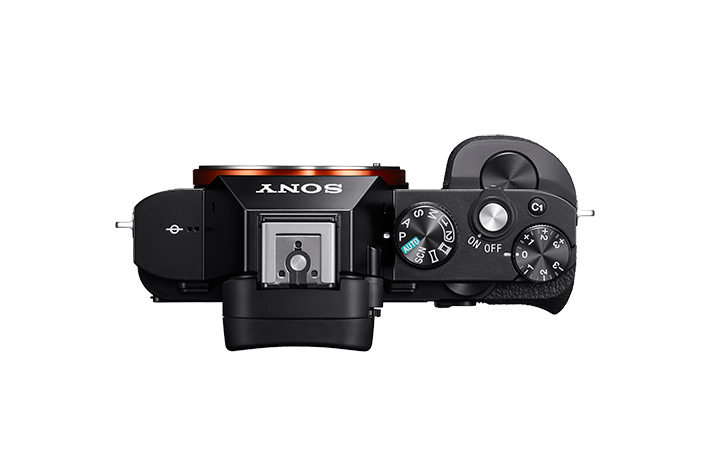
Finally, the camera design has been slightly updated on the outside. The grip is more prominent and triangular. The shutter button and on/off switch are now placed on top of the grip. The front dial has been moved, re-designed and placed on the grip itself right below the shutter button. This should improve the handling of the camera. The top of the camera now has more space to host two bigger custom buttons (as opposed to one on the A7). On the rear, the button layout has been slightly redesigned and the rear dial is also thinner. On the inside, the A7ii has a complete magnesium alloy structure and the lens mount is now completely made of metal and is therefore more robust. Curiously, Fotodiox introduced a mount replacement a few weeks ago for the A7.

Rumour sites are talking about other exciting announcements at the beginning of next year. Sony could introduce a new full-frame mirrorless camera that is positioned above the A7 line and designed for professional photographers. If Sony also upgrades the A7r and A7s in the next few months, 2015 could indeed be the year of the full-frame mirrorless camera.
Sony isn’t afraid to release lots of camera bodies like it already did for the APS-C series. This certainly creates some confusion for customers but from a marketing point of view, it certainly generates a lot of interest and attention. I have to say that the features introduced on the A7 mark II are very interesting. It sounds like this second generation could signify the maturity of the system. The camera will be available in December in Japan but there isn’t any release date for other countries as of now.
I believe that the next months will be quite hot despite the cold temperatures!
What are your thoughts about the new Sony A7ii? Do you like the updates?
