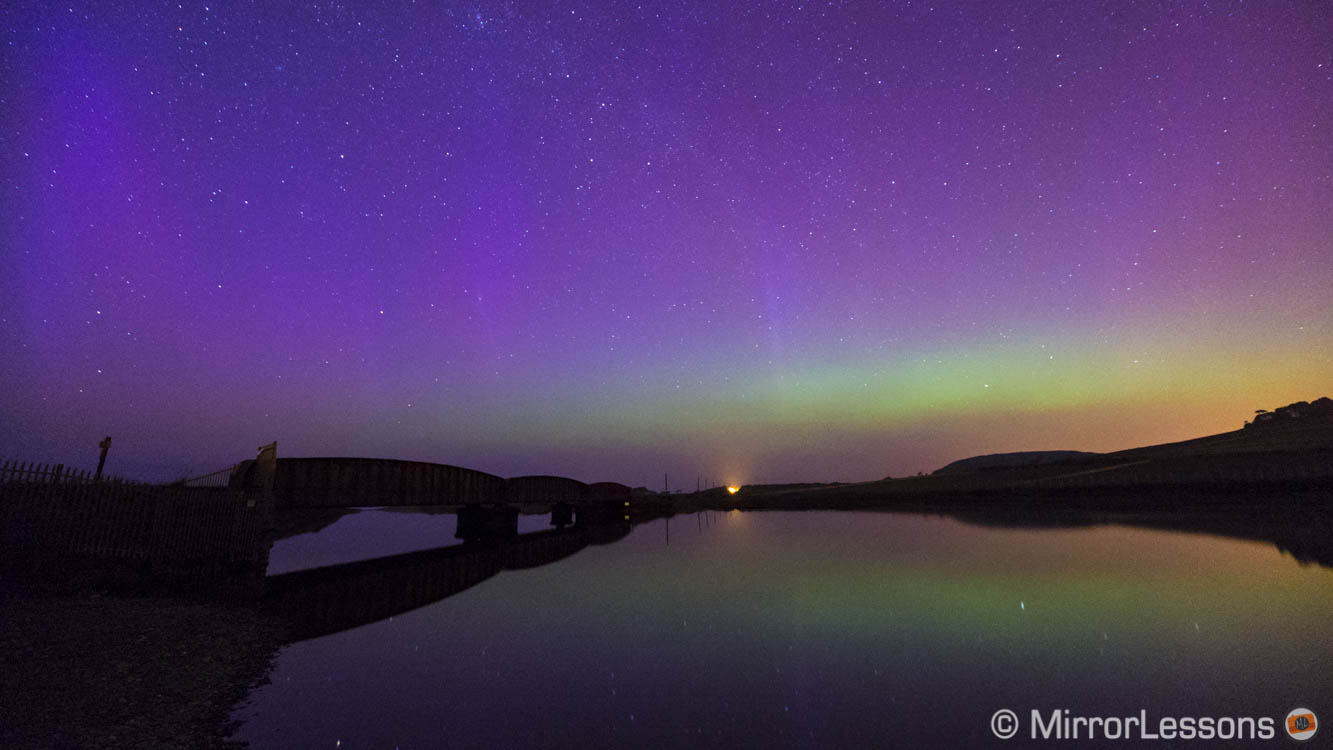
One of the most challenging shooting conditions for a photographer is low light. Whether you be shooting on the streets, at a wedding, during an event, or indoors, there is often no bigger thorn in the flesh for both the photographer and the camera.
There are of course a handful of classic solutions that photographers have turned to for years, and are still applicable even today. For wide shots and locations, use a tripod and a long exposure. For people, use a flash unit. A monopod can also help if you are using a slower shutter speed.
Though we have these traditional methods, we mustn’t forget that the past five years have seen a rapid and striking improvement in sensor technology either. Today I would say that most cameras can deliver good low-light performance with perfectly usable results up to ISO 3200 or ISO 6400.

These values are more than enough for most situations. If for example there is action involved, you can raise the ISO and open the aperture to the point that lets you keep the shutter speed at 1/100s or faster. This technique works well for weddings, theatre and dance performances. Then there is in-body or in-lens stabilisation that helps to reduce your shutter speed and keep the ISO sensitivity as low as possible. However this technique should only be used for static scenes, such as cityscapes, landscapes or architecture, since with a slower shutter speed (below 1/30s) moving subjects within the frame such as cars or people will appear blurry or streaky.
Of course, there are some mirrorless cameras whose low-light capabilities truly make them stand out from the crowd. This is because they offer a real alternative to tripods and flashes, and give you more flexibility because of their advanced ISO performance or stabilisation. Those who do a lot of low-light shooting will definitely want a camera that can deliver excellent image quality in all sorts of light-deprived situations, which is why we’ve devised a list of mirrorless cameras we feel live up to this requirement.
Sony A7s
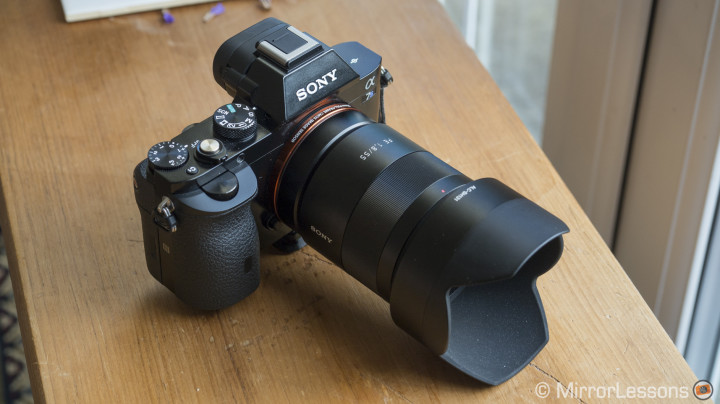
The first camera of the list could only be the Sony A7s[/easyazon_link]. It has been dubbed the “low light monster” by many for its incredible high ISO performance. Its 12MP full-frame sensor can reach a maximum ISO sensitivity of 409,600 and can handle almost any light condition. Whereas most mirrorless cameras are usable up to 3200 or 6400 ISO, I’d say that the A7s can easily be pushed as far as 102400 ISO with little loss in detail and acceptable noise. These characteristics carry over to both stills and video.
It goes without saying that a camera with low-light characteristics so superior to the rest of the competition won’t come cheap. The A7s is currently one of the most expensive mirrorless cameras on the market.
As much as we appreciated its great sensitivity during the many months we spent with the camera, there weren’t many times when we felt the need to go beyond 6400 ISO. This suggests that the camera will probably only interest a specific niche of photographers who frequently face low-light conditions in their work.

I can think of indoor or night sports photography for example where you need to use a fast shutter speed to freeze the action and flash isn’t an option. Knowing that you can use 25600 ISO without any loss in quality is certainly a big help.
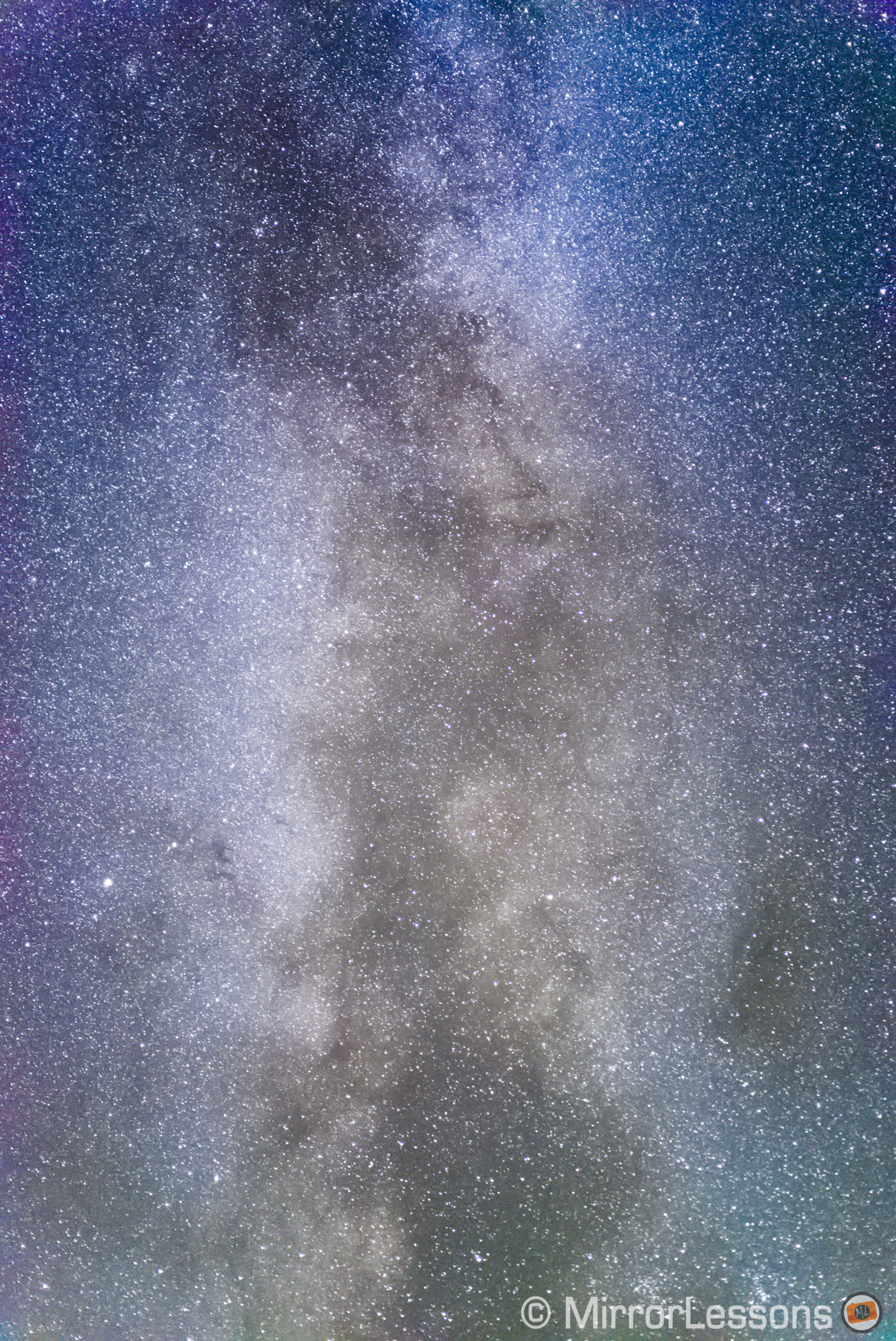
Another application is astrophotography. Though you can set a long exposure to keep the ISO sensitivity low on any mirrorless camera, the resulting image would show a star trail instead of individual pinpoints of light due to the earth’s rotation. The only way to capture the individual celestial bodies is to use a camera with excellent high ISO capabilities, as you can keep your exposure shorter. We used the A7s to photography the Milky Way ourselves one evening, and the amount of detail we captured even at 25600 and 32000 ISO was astonishing.

Sony A7 Mark II
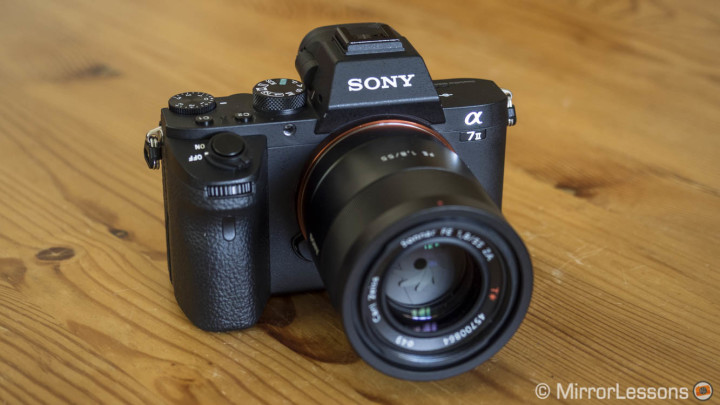
Before testing the latest Sony camera, I would have only considered the A7s for my personal work. However the A7 Mark II is the first full-frame camera to feature 5-axis stabilisation. It is what I’d call the best of both worlds. It has above-average ISO performance like its predecessor, the A7 but its sensor moves on 5 different axes (X, Y, Yaw, Pitch and Roll) to compensate for shakes. I found that it works very well for stills during my week with the camera. I managed to take sharp shots down to 1s with a short focal length (24mm) and down to a 1/2 a second with the 55mm f/1.8.
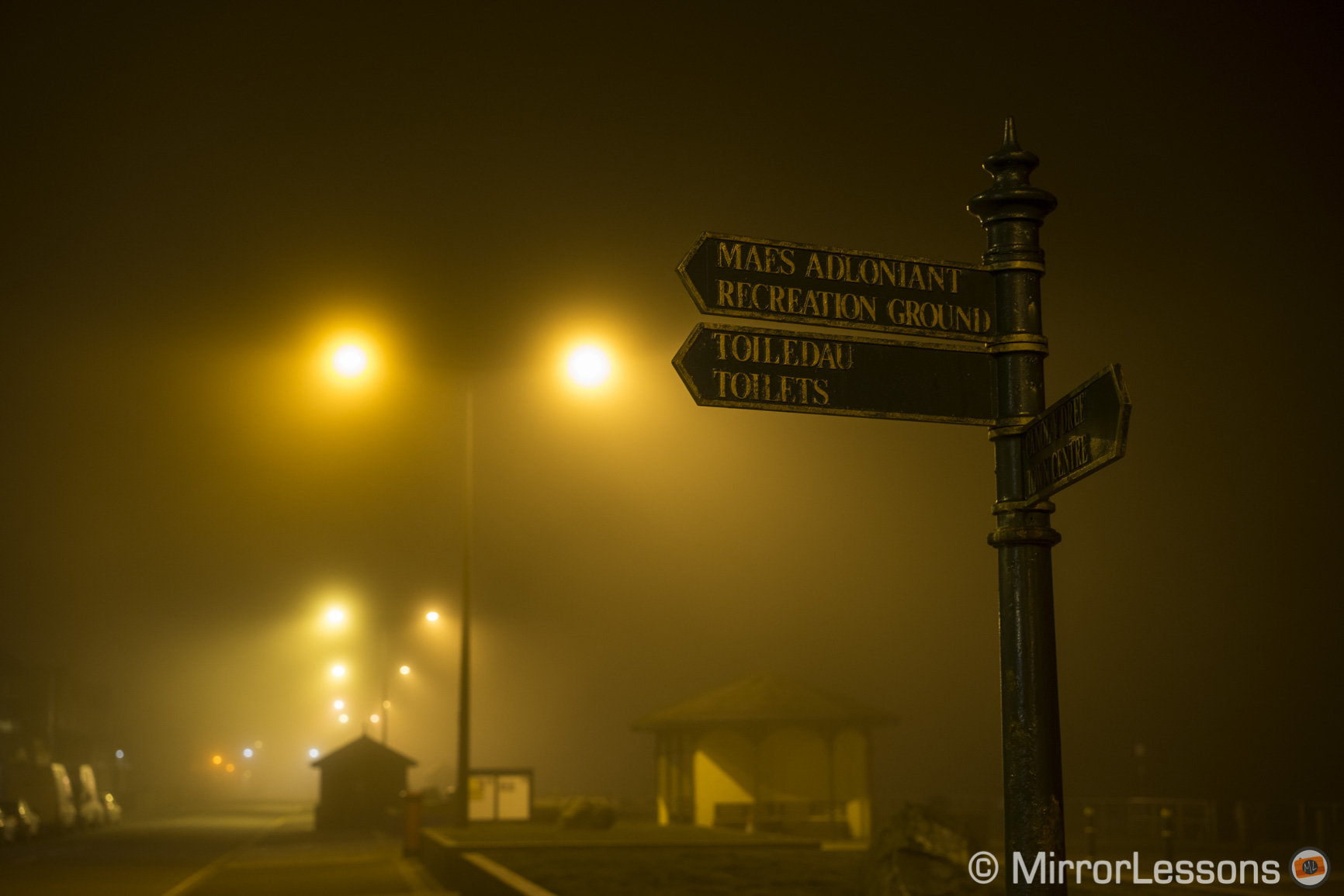
To achieve these results will require several attempts and some patience. But let’s not forget that the A7 Mark II has a full-frame sensor with a 100-25600 ISO range, which means that you will have clean results up to 3200. It is therefore quite easy to find a compromise between stabilisation and ISO and have more freedom with your aperture. This is certainly a great camera for low-light shooting if there isn’t fast action involved.
Olympus OM-D E-M5 Mark II

At the other extreme, we have the Olympus OM-D series, which has been well-known for its excellent 5 axis in-body stabilisation system since the release of the first OM-D camera. The latest iteration, the OM-D E-M5 Mark II, is without a doubt the king of stabilisation. It is quite possible to take in-focus handheld shots at shutter speeds as slow as 1 second. In fact, on a couple of occasions, Mathieu even managed a 2 second exposure when using a wide-angle lens.

This incredible stabilisation system makes it possible to take landscapes, cityscapes and architecture shots in very dark conditions without having to raise the ISO sensitivities too high. The stabilisation also works well when focusing close to an object and while it won’t allow you to use extreme shutter speeds such as 1s, you can still manage to use fairly slow shutter speeds that would be impossible other cameras. You can also use it when in movement to take something more creative like the shot below taken in the Turin underground.

Despite the sensor being smaller, the E-M5 Mark II has clean ISO performances up to 800 and will give you good results up to ISO 3200. The small size of the body and the Micro Four Thirds lenses can also be an advantage with stabilisation since the system is lighter and easier to carry around.
Note that while the OM-D E-M5 Mark II is the best camera for in-body stabilisation (the Sony A7 Mark II included), the OM-D E-M1 is also excellent. I’ve managed to achieve sharp results down to 1s of exposure or even more.


On a budget?
As I said at the beginning of this article, all the most recent MILCs have pretty respectable high ISO capabilities. The differences you might see, however minute, are generally influenced by sensor size or the effectiveness of the image processor.
Two very budget-friendly options that offer great stabilisation can be found once again in the Olympus line-up. You can still find the original Olympus OM-D E-M5, and at a very interesting price because of the release of the Mark II. You won’t be able to push its 5-axis stabilisation to the extreme like the E-M1 or E-M5 Mark II but you can still achieve very decent results at slow shutter speeds. There is also the Pen E-P5 which incorporates the same 5-axis stabilisation technology as the OM-D E-M1 but comes in a more fashionable package. Being an older model, it is also less expensive now than it was a year ago.
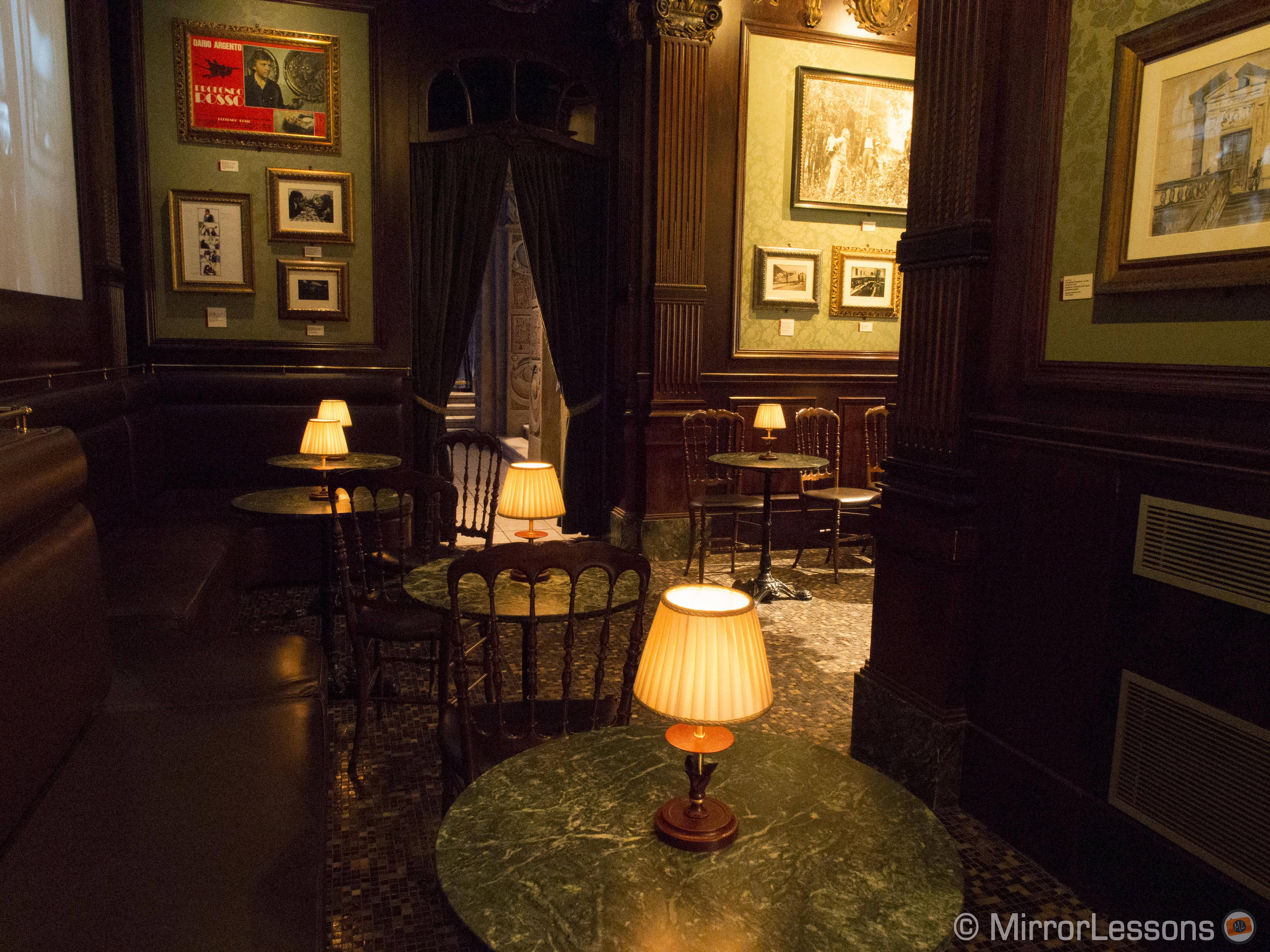
If you’d like to find out more about each of the cameras mentioned here, we invite you to check out our full reviews:
- Sony A7s Review
- Sony A7 II Review
- Olympus OM-D E-M5 Mark II Review
- Olympus OM-D E-M5 Review
- Olympus Pen E-P5 Review
Why are you looking for a camera with excellent low-light capabilities? Share your reasons in the comments section below!
